
Alloy Steel Pipes: Grades, Uses & Selection Guide
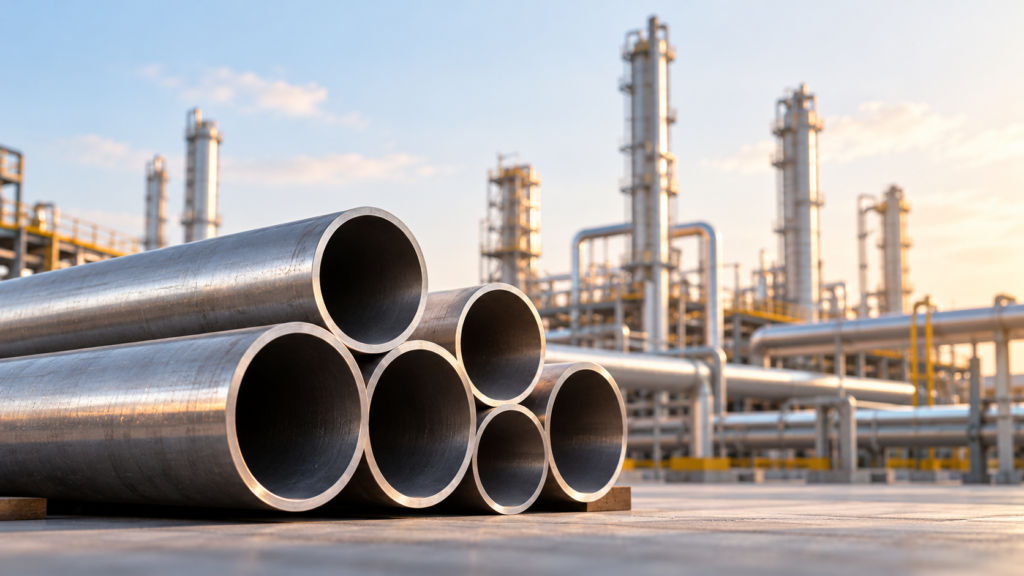
BMS INTERNATIONAL · MATERIAL SELECTION GUIDE How to Select Alloy Steel Pipes: ASTM A335 P11, P22 & P91 A practical guide for EPC contractors and industrial procurement teams, covering grade selection, testing, documentation and sourcing considerations. Selecting the right alloy steel pipes is essential for industrial piping systems operating under demanding temperature, pressure and process conditions. In refineries, power plants and petrochemical facilities, incorrect material selection can affect piping reliability, fabrication requirements and long-term maintenance. Alloy steel pipes contain alloying elements such as chromium and molybdenum that modify their mechanical and high-temperature properties. Common ASTM A335 grades include P11, P22 and P91, each designed for different service and engineering requirements. For EPC contractors and procurement teams, selecting alloy steel pipes involves more than comparing grades. It also requires confirming material specifications, dimensional requirements, testing, traceability and procurement documentation. In this guideWhat Are Alloy Steel Pipes?Common ASTM A335 Alloy Steel Pipe GradesASTM A335 P11 vs P22 vs P91: What Is the Difference?Six Factors to Consider When Selecting Alloy Steel PipesWhat Testing Is Required for Alloy Steel Pipes?What Documentation Should Accompany Alloy Steel Pipes?Alloy Steel Pipes Procurement Checklist for EPC ContractorsHow BMS International Supports Alloy Steel Pipe Procurement What Are Alloy Steel Pipes? Alloy steel pipes are steel pipes containing specified alloying elements that enhance or modify properties such as strength, high-temperature performance, hardenability and resistance to certain operating environments. Chromium-molybdenum (Cr-Mo) alloy steel pipes are commonly specified for elevated-temperature applications in power generation, petroleum refining and process industries. ASTM A335/A335M covers seamless ferritic alloy-steel pipes intended for high-temperature service. The standard includes chemical composition, mechanical property, manufacturing and testing requirements. Common ASTM A335 Alloy Steel Pipe Grades ASTM A335 includes several alloy steel grades. P11, P22 and P91 are widely referenced in industrial high-temperature piping applications. Grade Common designation Typical engineering consideration ASTM A335 P11 1.25Cr-0.5Mo Conventional high-temperature service ASTM A335 P22 2.25Cr-1Mo Elevated-temperature and creep-performance requirements ASTM A335 P91 9Cr-1Mo-V-Nb Demanding high-temperature service requiring higher creep strength These grade descriptions are general, not universal maximum operating-temperature ratings. The applicable design code, allowable stresses, service conditions and project specifications determine material suitability. ASTM A335 P11 vs P22 vs P91: What Is the Difference? The primary difference between P11, P22 and P91 is their alloy composition and resulting high-temperature mechanical behaviour. The grades should not be treated as interchangeable materials. ASTM A335 P11 P11 is a chromium-molybdenum alloy steel grade used in industrial piping systems requiring elevated-temperature performance. It is commonly considered for conventional high-temperature process and steam piping applications where approved engineering specifications call for this material. ASTM A335 P22 P22 contains higher nominal chromium and molybdenum levels than P11. It is used in applications requiring its specified high-temperature characteristics, including certain refinery, power-generation and petrochemical piping systems. ASTM A335 P91 P91 is a more highly alloyed steel developed for demanding elevated-temperature service. Its high-temperature properties make it relevant to advanced power-generation and other demanding piping applications. However, fabrication, welding, heat treatment and material verification requirements can be more stringent. Procurement takeaway: A higher alloy grade is not automatically the correct choice. Buyers should procure the exact grade specified by the approved engineering documents. Six Factors to Consider When Selecting Alloy Steel Pipes 1. Operating temperature Temperature affects material performance, allowable stress and long-term behaviour. For piping operating at elevated temperatures, engineers may need to evaluate time-dependent properties such as creep strength. The selected grade must satisfy the relevant design conditions rather than a general temperature guideline. 2. Design pressure and wall thickness Material grade alone does not determine pressure capacity. Required wall thickness depends on design pressure, temperature, diameter, allowable stress, corrosion or erosion allowances and applicable code calculations. Confirm the nominal pipe size and approved wall thickness or schedule. 3. Process medium and corrosion conditions The transported fluid can affect material suitability. Corrosive compounds, hydrogen service, oxidation and environmental exposure may require additional evaluation. Chromium content alone cannot establish compatibility with a specific process medium. 4. Welding and fabrication requirements Different grades can require different welding procedures, preheating practices and post-weld heat-treatment controls. P91 fabrication can be more demanding than that for certain lower-alloy grades. Align materials with approved welding procedures. 5. Material testing and traceability Industrial projects may require chemical analysis, mechanical testing, non-destructive examination and material identification verification. Review documentation against the specification, purchase order and inspection plan. 6. Availability and project delivery schedule Procurement delays can affect project schedules. Confirm product availability, quantities, testing scope and dispatch milestones before finalising the purchase order. What Testing Is Required for Alloy Steel Pipes? Requirements depend on the material specification and the project inspection and test plan. Test/verification Purpose Chemical analysis Verify specified chemical composition Mechanical testing Verify required mechanical properties Hardness testing Assess hardness against applicable requirements Hydrostatic testing Assess pressure integrity under specified conditions Non-destructive examination Examine for specified discontinuities Positive Material Identification (PMI) Check detectable elemental composition against the specified grade Dimensional inspection Confirm dimensions and tolerances Material traceability Link supplied items to manufacturing and test records ASTM A335 provides specific requirements and permitted examination approaches. The testing method, supplementary requirements and acceptance criteria must follow the applicable specification and purchase order. What Documentation Should Accompany Alloy Steel Pipes? Depending on project requirements, documentation may include Mill Test Certificates (MTCs), chemical and mechanical test reports, heat-treatment records, dimensional inspection reports, PMI reports where specified, non-destructive examination records, third-party inspection documentation and heat-number traceability records. Defining these at the RFQ stage avoids missing documents at receipt and inspection. Alloy Steel Pipes Procurement Checklist for EPC Contractors ASTM/ASME material specification and grade Nominal pipe size and outside diameter Wall thickness or pipe schedule Quantity and required lengths Design and operating conditions Applicable inspection and testing requirements MTC and traceability requirements Heat-treatment or supplementary requirements Project delivery location and required date How BMS International Supports Alloy Steel Pipe Procurement With 17+ years of industry experience, BMS International (Bombay) LLP supports industrial piping material requirements across carbon steel, stainless steel and alloy steel product categories. BMS offers alloy steel